
4.2 – The Code: A Three Division Breakdown
Division Breakdown Now that we know about our family of Codes – Building, Fire, Plumbing, and Energy – let’s take a deeper look at the how these documents are structured; after all, knowing which Code to be using doesn’t help us all that much, when it comes to knowing where the right information is located within book itself – right? These aren’t exactly pamphlets, and with thousands of pages to sift through, even being in the right book doesn’t change the fact that our Codes cover a lot of information! Fortunately – our family of Codes are fairly consistent when it comes to structure; each document is organized into the same three Divisions – A, B, and C – which makes that navigation all that much easier.
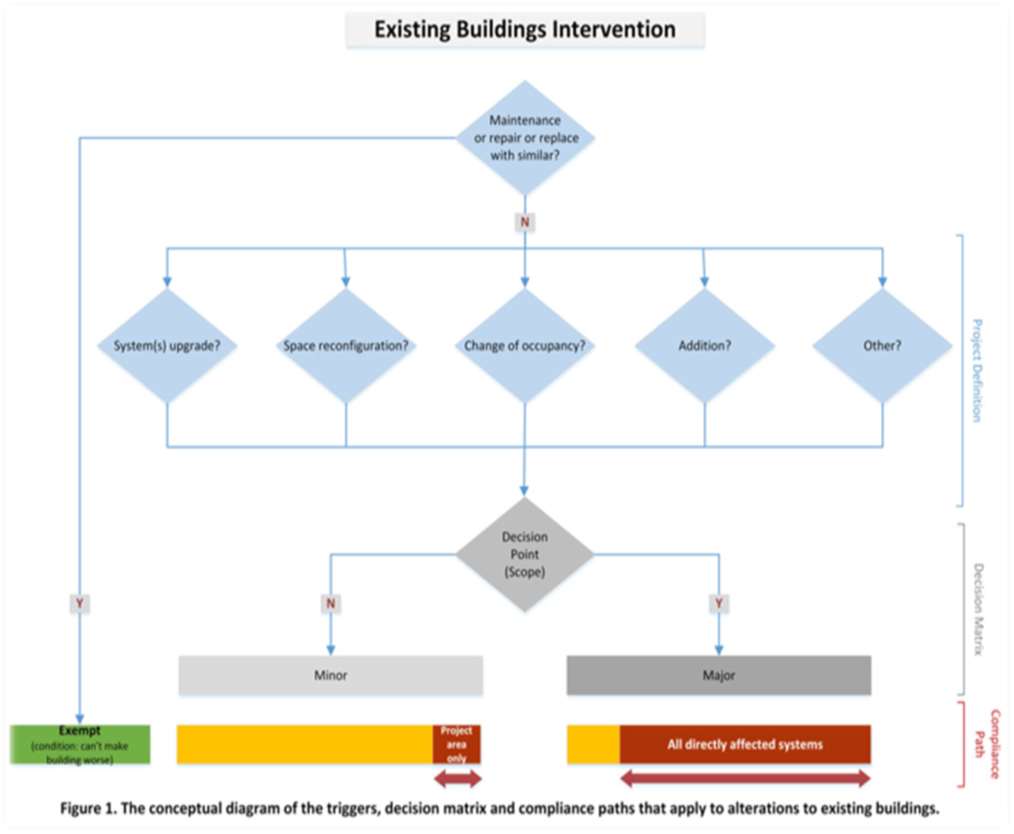
Division A – titled Compliance, Objectives and Functional Statements – covers the overall scope and application of the Code; think of it in a similar way to our Building Code Act itself – it identifies the purpose of the Code, where the Code applies, and what it’s meant to achieve through meeting compliance – without getting into the specific details of compliance itself. A framework that allows designers, and Officials to understand where and how they’ll need to use the Code, while pointing to other elements for what rules need to be followed.
On its own – Division A doesn’t really allow us to determine whether a project meets Code or not – it only identifies what a building needs to do – in the broadest sense – in order to be considered a compliant building. There is a bit more in this section than just finger-pointing to other Divisions, which we’ll expand on throughout this Module.
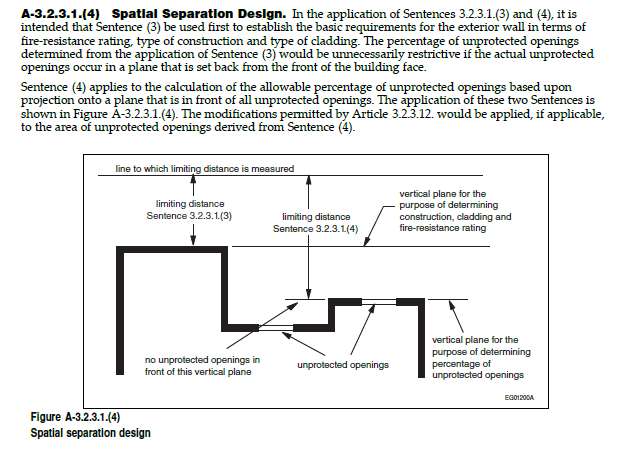
Division B – titled Acceptable Solutions – is in fact, just that; it’s the Prescriptive requirements we discussed previously – that is, the direct and specific requirements for compliance, laid out as they would apply to any and all buildings. This makes up the bulk each Code Volume – as it needs to cover all of the enforceable requirements that we would review. Generally speaking, most of the time – unless otherwise noted – if you’re looking for a requirement of the Code, and wanting to make sure compliance is met? You’re looking through Division B. When we’ve previously been talking about the Code as our book of rules – this is largely the portion we’ve been talking about. This is also the Division of our Code where the intention behind the rules is most important – as we’ll see throughout this course.
Division C – titled Administrative Provisions – cover the bookkeeping, as it were, of the Code; in reviewing an application, or compliance documentation, testing, or Performance design, Division C outlines the specific requirements that need to be submitted to be considered in keeping with the Code. This portion of our Code helps provide a lot of direction about drawings and the information that they contain – which is hugely helpful to the Official, when it comes to being confident that a submitted project has met all the requirements that the Code.
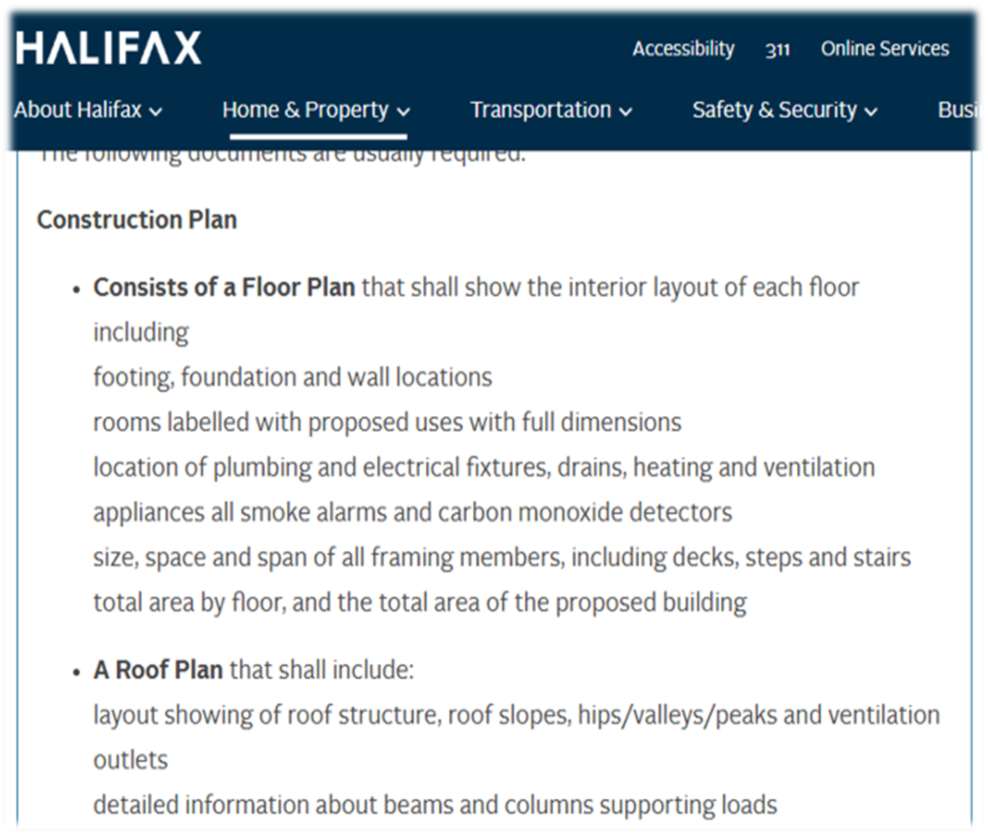
The three Divisions work in tandem with each other – Where Division A outlines scope, Division C explains how it would be documented. Where Division B covers the specifics of compliance, Division A helps define the terminology involved. Where Division C outlines how a Performance based solution should be submitted, Division B outlines the original requirement that the solution is aiming to meet. In order for us to make use of the Code fully – we need to be well versed in all three Volumes – otherwise, we’re just blindly flipping pages. More than that, it gives us a consistent framework in each Code – Building, Fire, Plumbing, and Energy – that makes navigating any particular type of Code a much easier practice. As we’ll see in later Modules – it also means that citing, and referencing any Code looks the same – no matter which one we’re talking about.
As we’ll see throughout this Module – there are a lot more features within each of these Divisions than what we’ve covered in the most general sense here – which allow for a broader scope of use and understanding by the designer and Official. Much like when we discussed the Act and Regulations, these elements build on each other, starting as a framework – and becoming a broad collection of tools, rules, and resources, to help all users not only apply the rules of the Code – but to better understand what is being asked by each rule itself. As you can probably imagine, being able to combine all of these resources, across four different types of Codes, brings a lot of value to not just each Code itself – but to all of them as a family of books – since there is no need for an Official to attempt to DeCode each one separately – since they all read and are organized the same way. Regardless of which book you’re using, or what type of rule you’re attempting to find the meaning behind – users can be confident that they can find it in the same spot (or Division, more specifically) in every Code. Not a bad system to have!