1.5 – Qualifications: The Right Tools to Start the Job
The Right Tools to Start the Job If you were planning to become a referee for a hockey league, you’d want to make sure you knew a lot about the sport first, right? Not just buy a striped shirt, a pair of skates and a whistle, and jump in headfirst! In fact, more than that – you’d likely already have some experience in playing the game; we’re not talking pick-up games in a local rink – but actual, league play, with solid game and skating fundamentals.
Well, in becoming a Building Official, the process isn’t really all that different; before someone can be capable of reviewing drawings and construction on a site – they need to have some level of experience in how those processes work firsthand. Again, we’re talking about a qualitative (meaning, a measurable quality) of experience – not just watching clips about buildings on Social Media!
Some of the obvious choices here would be direct experience on site – say as a construction trade, whether that be a carpenter, plumber, drywaller, foundation worker, or electrician. In these cases, we’re talking about individuals who work with the materials, and within the buildings every day that the Code regulates; can’t get any more direct than that!
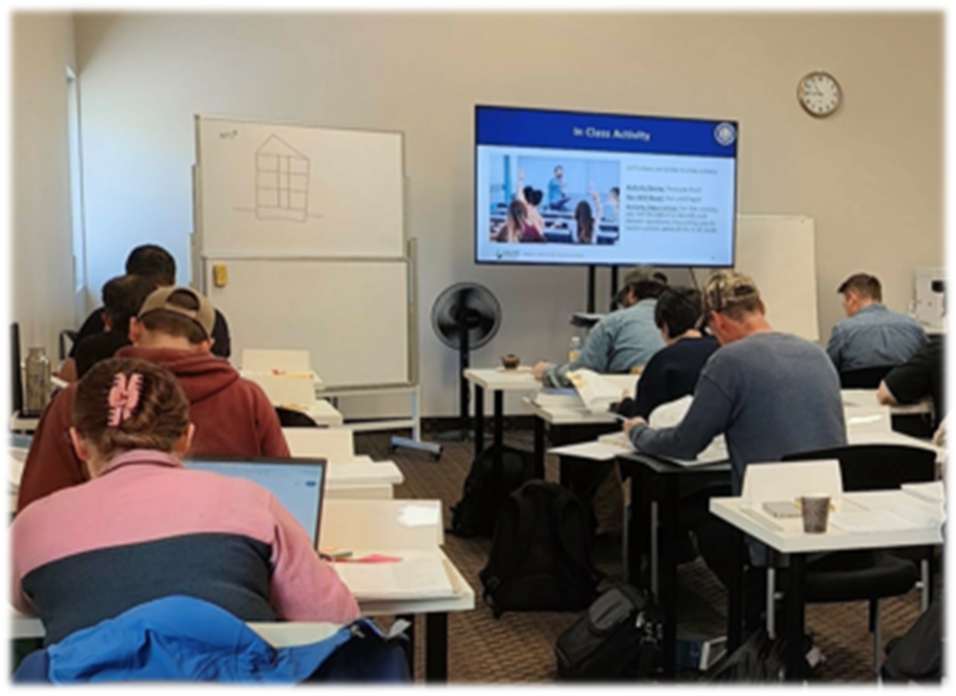
While experience in any of these roles may be acceptable as the required pre-requisite to Building Official training – there are a couple of factors to consider; the first is that in most cases, a minimum of 2 years is required to be considered equivalent to specialized training. Secondly, for many jurisdictions to hire a would-be Building Official, that trade experience would need to come with a Department of Labour trade certification – meaning, it’s not simply the length of time in the trades but being able to show a learned level of skill, through gaining qualifications. While this can be a hurdle for someone recently new to the trades – exceptions can sometimes be made, depending on your situation. It’s always worthwhile to check with a local jurisdiction, to find out what their hiring process is.
Another option would be academic training; most Provinces and Territories have trade-oriented programs that feature either a certification, or technologist diploma, in architectural, engineering, construction management, estimating, or drafting studies. These can be considered as an equivalent to site-experience in the trades, because these programs are designed to introduce participants either to the Code directly, or to some of the more technical elements of the construction process.
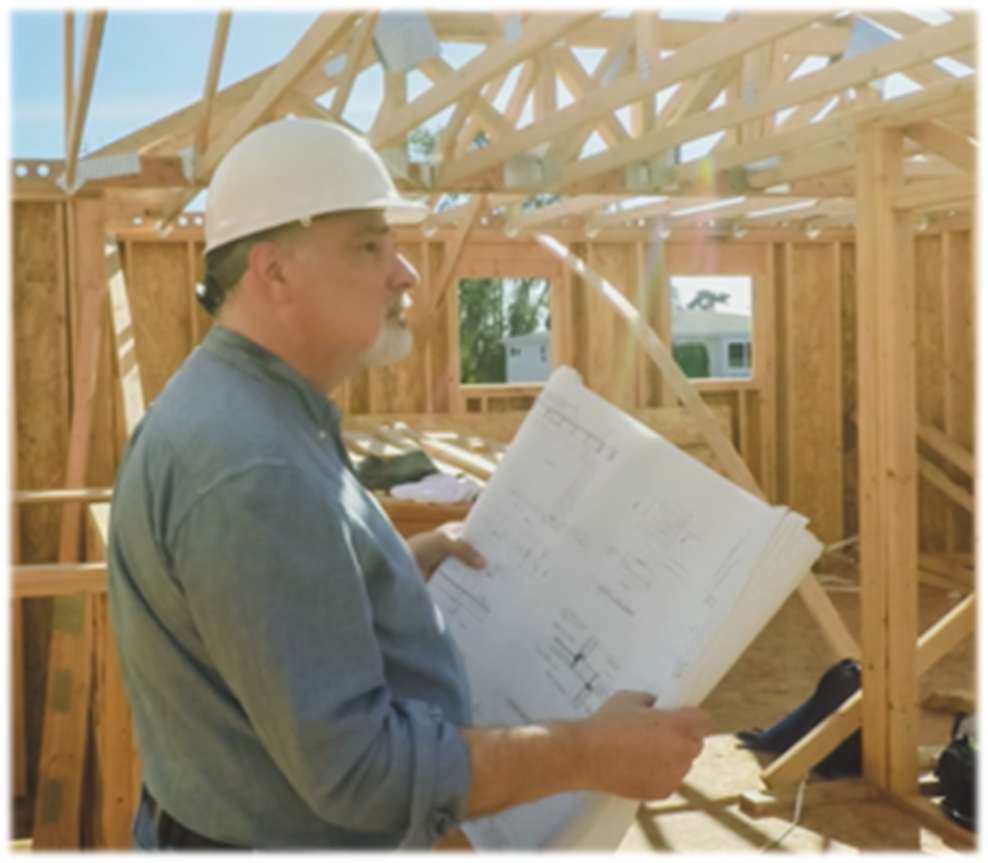
While unlike the construction trades themselves, the college certifications or technologist diplomas have a limited amount of actual on-site training, these courses still have a great deal of value in moving towards becoming a future Official. Trade programs focus largely on the trade itself (which makes sense – that is what someone is going to school for) but can overlook the broader requirements of the Code as a whole. This means that, as a trade-off for general knowledge, they get specialization. This isn’t necessarily a bad thing; in both cases, there is the opportunity to learn about construction, and about materials and systems that would be both valuable and commonly used in our industry.
In the same way, experience as an architect, engineer, or interior designer – where working with the Codes directly – would be considered an asset; these roles come with a more specialized design scope – mechanical systems, sprinkler design, structural systems – providing a wealth of valuable knowledge to the role. While these kinds of backgrounds are less common, there is still a real divide between the design side of the process, and the compliance side – and some individuals who start one end may discover that they in fact prefer the other after some time!
Regardless of which path you choose, the process of becoming a Building Official starts with ensuring that you have enough experience interacting with either the Codes – or construction – to be considered capable of learning more, and further honing those skills, as you dig deeper into the field. Construction is an ever changing, ever evolving industry – and even the house, or building of a year ago will see changes in materials, requirements, even the approach to construction today!
This means a capacity – and more than that – a drive to learn, and to continue learning is essential when it comes to a potential Building Official. As we’ll see in later modules, the Code is a huge document, and the supporting information around the Code (think testing and material specs) isn’t exactly light reading! Without that desire to dig deeper and deeper, there’s an awful lot of content – and knowledge to miss.
Think of it as a way of gauging aptitude; not only jurisdictions, but regulatory bodies themselves need to be confident that you show the potential to develop more and more experience within the construction field – and those experiences you bring to the table? Well, that helps them see what you’ve already been able to achieve! Designers and builders, on the other hand often look to Officials to help better understand what the Code is asking – and what changes may be coming in future editions. Being in the know also helps industry feel like the Official is here to support them as well!