
3.1 – What is the Building Code Act?
In previous Modules, we’ve touched on the idea that the Code is legislation – something that can be enforced, creating requirements and consequences; in truth, it’s a bit more complicated than that – because while the Code is, in fact, a set of rules – the body of the Code itself doesn’t include any language about its own enforcement; meaning, there is nothing within the Code itself that says it needs to be followed – only how it applies, and how compliance with the Code is achieved.
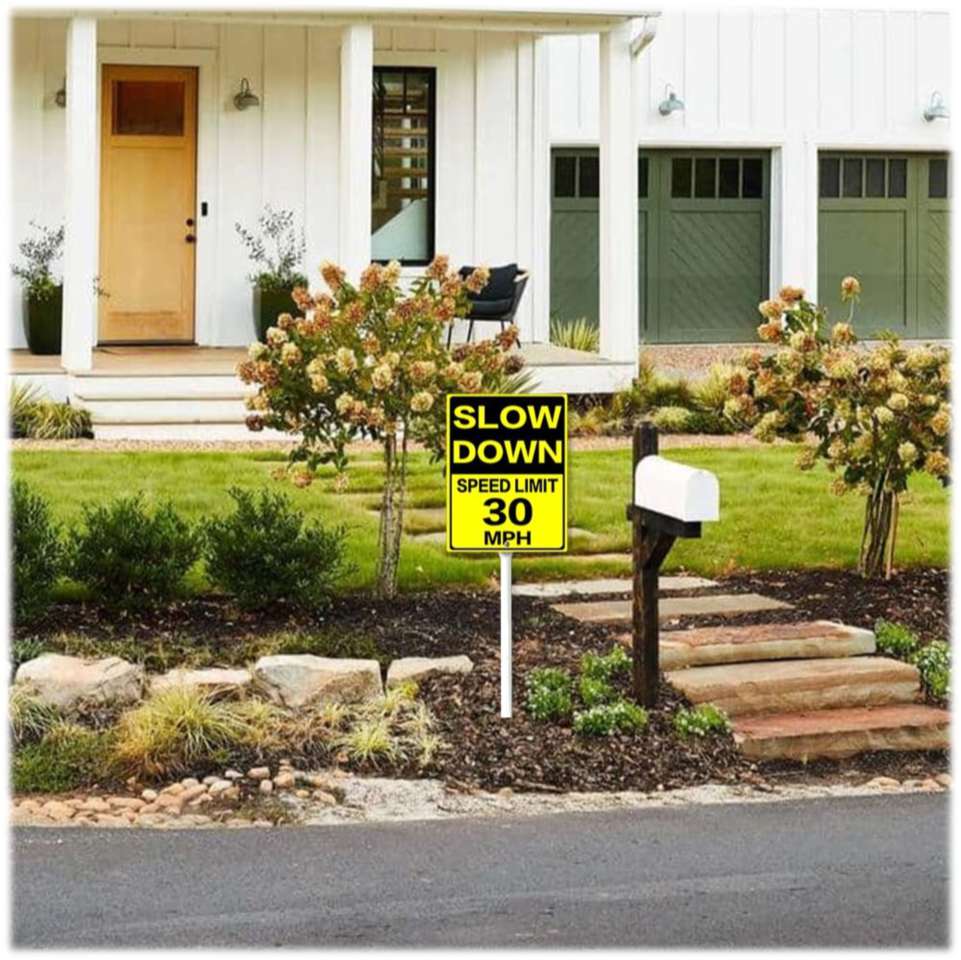
When we talked before about speed limit signs – we understand that they’re (usually, we hope) followed, putting everyone at the same pace – but there is a clear difference between the posted sign, and it being authoritative. After all – not just anyone can put a sign on the highway, and that same sign in a private yard or out in the woods wouldn’t have the same effect. So, how does it all work? What takes it from being just another book – to something that can be used to hold construction accountable, and enforced?
Like any legislation that we want to be able to enforce or create rules around – it all starts with the Act; this is the law itself – or more accurately, the proposal for a series of rules and intentions, drafted into a document called a Bill. You may have heard of these before – but in short, they’re sort of the first rough-draft idea of something that a government wishes to turn into legislation. It’s a proposal, or pitch, if you like – being submitted for review by the government. If the concept itself seems like a good idea, it will continue on through a number of rounds of debate, readings, revisions, and review, until multiple opportunities have been provided to comment and make changes.
This can take months, even years – depending on the complexity of the Bill, and how well the idea is received (or even opposed). Not every Bill gets that far – but for those that do, they’ll become subject to a vote, the Senate, and finally, the Governor General, who would assent it to law. This is where it goes from just being an idea, to something that can in fact be enforced – something that we can use to hold buildings to the same requirements. In the same manner, the Building Code Act was created – its purpose? To create a minimum standard for the construction of all buildings, to require permits for oversight of their construction, and to establish a person (or persons) within a Municipality or regional organization, to enforce those requirements.
In our speed limit case, we’d be talking about the Motor Vehicle Act – the idea for a bill which was proposed to government, concerning the operation of vehicles on the road. In making that idea law, the signs – which by themselves would just be a sign suggesting speed, become a visual indicator of not just the legal requirement to be met – but a threshold past which enforcement and prosecution can occur. These are the tickets, suspensions, and other consequences that the law allows – based on the requirements set out in its creation.

In looking at the Act, however – it’s an incredibly short document; at just shy of 16 full pages (with wide margins no less) how could all the requirements for every type of building you could imagine, its construction, enforcement, the requirements for Building Officials, and permit documentation all be contained inside it? In fact – it doesn’t; and realistically, it doesn’t need to – because its real power is creating the space for those elements to be defined – or adopted – elsewhere. We don’t require every possible infraction type, or the consequences for each to be laid out here – in the same way that we don’t need to have every situation to which the Act applies explained; we can trust that support documentation and legislation will do just that.
We can think of this as a “framework;” a structure through which requirements can be identified – but not necessarily fleshed out. The basics of what our Code, and our Officials need in order for compliance, and enforcement, along with all aspects of construction, that we wish to see regulated. For the Act, this includes the National Building Code – but also the Nova Scotia Building Code Regulations – which we’ll talk about here shortly. These two works form the cornerstones of how the Official (in the province of Nova Scotia at least) operates; together, with the Act, we have our full set of legislative documents through which the Code goes from a set of rules which might be a good idea to follow – to the law we need it to be. As we noted before – it is a little more complicated than that, and the legislation isn’t so cut and dry, however, the Act is the starting point – and as we’re about to see, it does provide us with a lot of very useful content, to get us there.