1.1 – Who is the AHJ, and What do They do?
Before we get into the requirements and function of the Building Code, let’s first take a minute to talk about the person, or people who are responsible for enforcing it. The Building Official – sometimes referred to as the Authority Having Jurisdiction, or AHJ – is someone appointed by a City, Town, Municipality, County, or other regional body, to review and enforce the requirements of the National (and Local) Codes.
You’ll sometimes hear them referred to as Building Inspectors – which can get confused with Home Inspectors – the folks you might want to hire if you’re buying or selling a home, to help with insurance. But the Building Official falls into a different category, because of the range of their work. You can think of them like a kind of Quality-Assurance; imagine working in any sort of factory, or facility – whether it made cars, candy bars, or anything in between. It would be someone’s job to assess each unit made, right? Making sure that it was exactly as planned, checking for defects, and otherwise working to keep track of consistency on the product line.
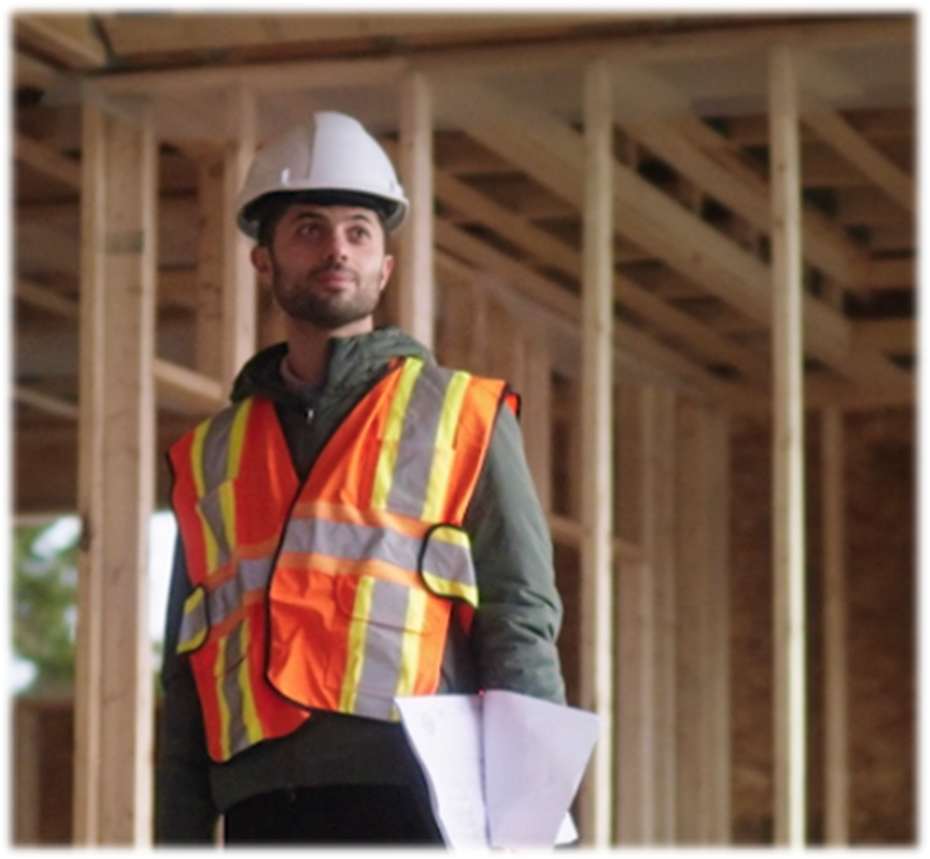
The Building Official operates in largely the same way – except instead of the factory floor, it’s the construction site; whether a house, or a high-rise, consistency is key.
Depending on the location the Official appointed in, their role may include any, or all, of the following tasks as part of this role:
reviewing proposed plans for building projects, meeting with designers and developers, conducting research within standards and specifications, assessing material design alternatives for unique situations, inspecting work as it progresses on the job site, or even preparing legal documentation should a project get off course. It is certainly not a short list of hats that the Official needs to wear (in addition to a construction helmet!)
You may have noticed that none of these tasks involve design – and there is a good reason for that; as a Building Official, both specifying the work, and approving the work, are actually a conflict of interest. You wouldn’t grade your own exams in school after all – right? It doesn’t exactly fill anyone with confidence, if you’re both answering, and marking the same set of questions.
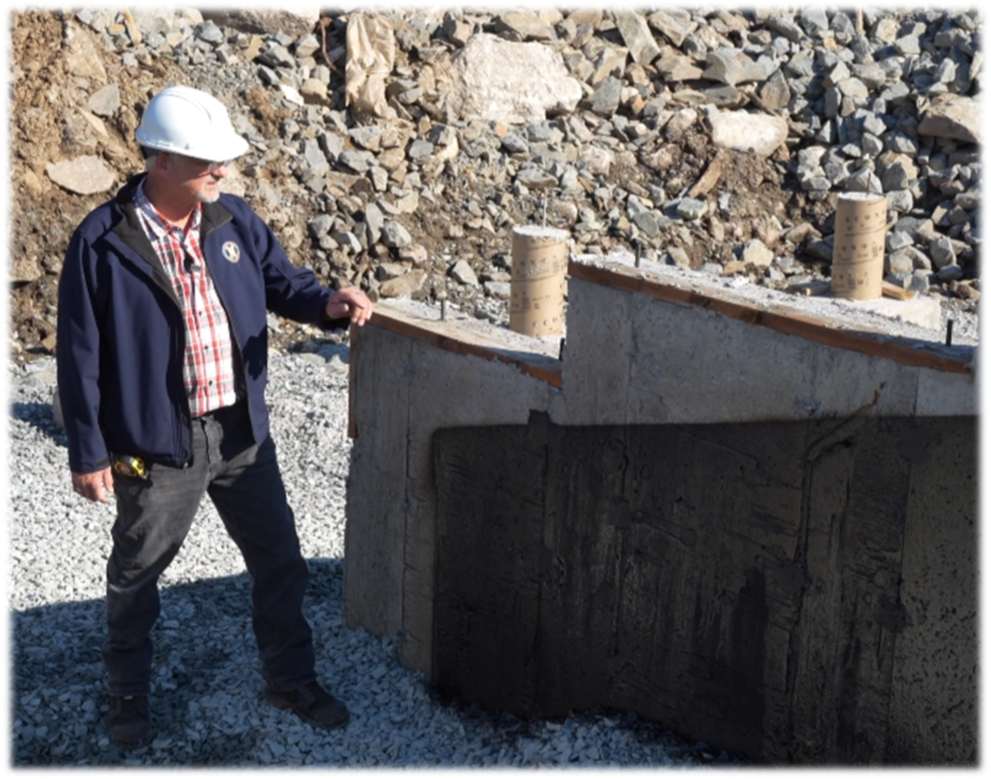
In a similar way, the Building Official needs to be an independent third party, if they’re going to review construction projects. Officials have to be sure that, when providing feedback on a project, the answer they’re giving is not how they would solve a problem, or what they would accept – but what the Code requires for compliance. This puts the Building Official in an interesting spot – because even though we’re reviewers, and not designers – we still need to be able to collaborate with engineers, architects, interior designers, trades, developers, and project managers.
Collaboration between the Officials and the project team typically begins long before any work on site occurs, to ensure that all proposed work meets all requirements of the Code. This would typically be called our plan review, which we’ll explain in further detail later in this course. The collaborative process continues on throughout the entire construction project, through regular review of work as completed on site. These are called our site inspections, and we’ll discuss them bit more later in this module.
Initial review and feedback on construction projects includes helping to provide education and explanation of Code requirements as they apply to a project. Where every building is different, any number of items within the Code may apply to it. The Official needs to be able to help navigate these with their industry peers. The Code book is a pretty big document, and as you can imagine, there’s a lot in there to cover. Sometimes things can get missed during the design stage; when this occurs, Officials can help communicate to the design professionals, before things get too far along on site.
The flip side of this is the Officials must also be able to help interpret (or DeCode) what the Code might be asking in any given situation. Sometimes the question from our designers and professionals isn’t simply what the Code requirement is – but what the requirement actually means. This can include what materials are suitable or appropriate, what assemblies or construction methods are allowed. This kind of discussion allows the Official – whether during a review or an inspection to help anticipate and redirect construction compliance that may (or already has) gone off course – all with the goal of helping projects continue to move forward towards completion.
This can be a difficult task – after all, we’re not the designers, remember? But through reading, and study of the Code, the Official is able to build a solid understanding of what the intentions are in any given situation that the Code has a requirement for, so they can better explain to a designer or builder, what needs to be done in order to move back into compliance.