
3.3 – What are the Building Code Regulations?
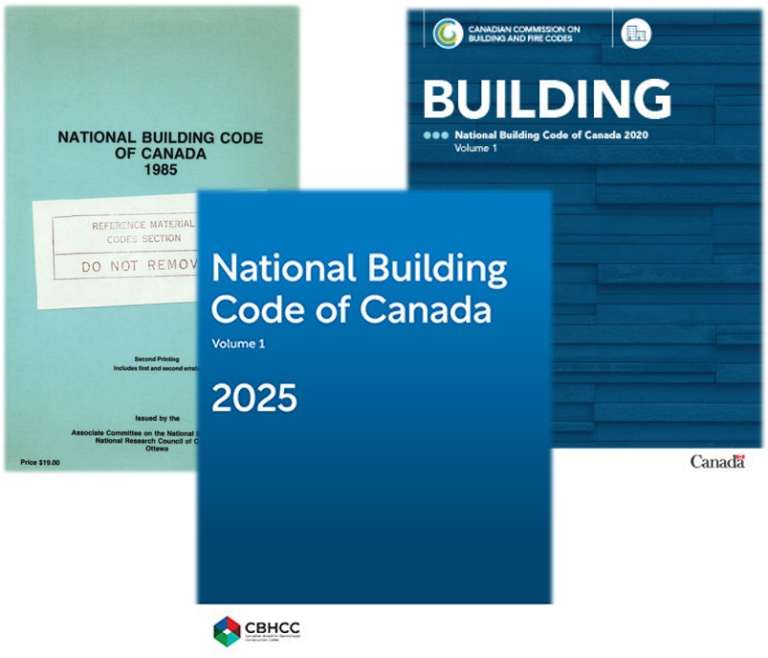
Code Regulations? Where the Building Code Act functions as our framework, the Regulations takes each of those checklist items flagged as important in governing construction and then outlines the specifics required by each of them. For example – where the Act identifies that a Building Code shall be adopted (at the time, the 1985 Code was what was in print) – the Regulations (as we previously noted), specify future editions as adopted, and in what capacity – say, if a section of the Code was waived, repealed, or replaced with something else. We’ll talk about this shortly – but its importance cannot be understated!
The Building Code Regulations represent a series of clarifications, in this same way; they identify scope and application of the Code, as they apply to buildings, where permits are required, where exemptions can be permitted, and the responsibilities of various individuals involved in the construction process. All of these items are touched on as needing to occur within the Act, but expanded upon in the Regulations, so they can actually be part of the Official’s toolbox.
As previously mentioned, they also include where additional requirements or changes to Code have been created, adding further clarification on how the Code applies to our specific province. These can be little modifications like adding in extra elements that the Code (through the Regulations) apply to – to much larger adjustments, like whole full-on sections slipped into the Code.

Think of it like this; if you’ve ever played a board game – and I mean one of those board games that comes with what seems like 1000 action or event cards, the general instructions for the game give you a rough idea of the overall objective, how to play, and more importantly, how to win. How the turns should go, what general actions you can take – fairly basic stuff to get you through round after round. But once you actually start playing the game, individual cards, events, items, or actions often have a more specific impact than just the overall intent of the game – so knowing how each one works, and how each can be used towards the overall goal of winning, become very important. In this way, where we can say that our Act is the general intent of the game – the Regulations are our individual rules for the specific cards, and how they function within the operation of the game.
Another of the key functions of the Regulations, is identifying the obligations of those involved in the construction process; owners, contractors, design professionals – and yes, of course, the Building Official. After all – it makes sense that different responsibilities would be held by each person, or group of people, based on what they contribute to the scope of work.

The owner, for example – being the person who owns the building, or the property on which work is being done, is responsible for the permit application, but also responsible for making sure that inspections are called for. Now, they may delegate this to someone else – a general contractor, for example – but legally, the responsibility to ensure that it is done, for the purposes of Code regulation falls to them. In the same way, they’re also responsible for identifying the scope of work – that is – what the project will be. This can include the type of building, the types of trades or professionals that will be involved, and the use as intended by the Code. This helps set a clear expectation right from the start, about who is responsible to ensure compliance is met – which is also very important from the standpoint compliance; it also means that we have a legislative point of reference to who can be the subject of orders, fines, or prosecutions (the consequences) for failing to follow the rules.
For the designers – they’re required to identify their scope of work, and ensure that it meets all required Standards, as well as the general intention of the Code. They have their own legislation around their professional qualifications – which our Regulations reference, as defined roles – meaning we rely on yet another piece of legislation here, in order to support the Regulations!
Finally, for the contractors – though under the oversight of the owner – are required to ensure materials and practices of site construction meet the Code, and that where construction may impact public property, that written approval – often in the way of permits – is received. This includes notices to neighbouring buildings and other member of the public who could be impacted by the work.
It’s very useful to understand who plays what role, and how, when it comes to our Buildings design, construction, and eventual occupancy by the public – so that we as Officials can direct requirements of construction, compliance, and even consequences (orders), to the right people involved. With this in mind, we’ll take things a step further, with how the Regulations expand on a number of features – and requirements, that shape and control the construction process in our Province.