
3.5 – Planning a Party: The Framework of the Legislation
Framework of the Legislation Imagine someone asked you to plan an event – specifically, to plan a party. Before you would be able to really get into the logistics involved, there would be a number of questions you’d need to ask first; What is the Occasion of the Party? How many people should be attending? Is there a theme involved? Are food or drink being served? It would be incredibly difficult for you to make any real headway on the event, without first clarifying these items – after all, planning a Birthday Party, and Planning a Wedding Reception are not really the same – though neither would a Gala opening, or, a retirement dinner, for that matter.

With the answer to each question, we can make decisions and identify requirements for our party to-be; Let’s say, in this case, we are talking about a birthday party. If it’s a birthday, it’s for someone celebrating; so who is that person? Knowing it’s a birthday also helps us better understand who would be attending – and, how that invitation would look. Is it Friends? Family? Co-workers? A mixture of all of the above? We know we need a place to host it – why not a restaurant reservation; that also narrows down our invitation numbers – based on the size of the venue, that is – as well as addresses the food.
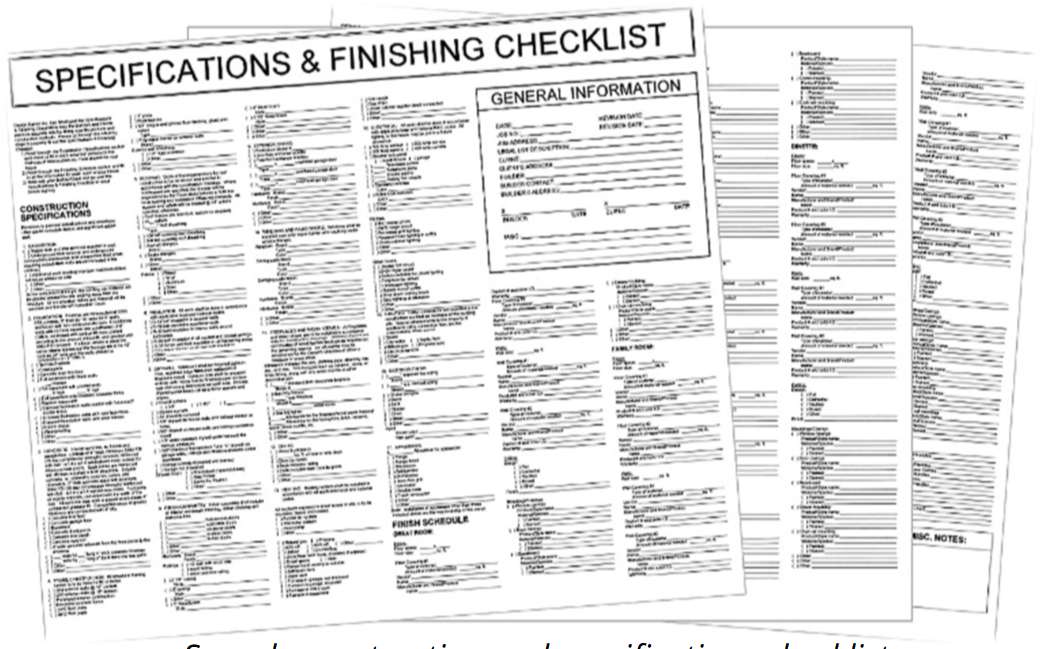
Now we’ve also cleared up who is being responsible for food – the venue itself, right? Knowing who we’re inviting also helps us determine if there are food or dietary concerns. As you can see, the more questions we answer, the more information we have, which helps us to keep making continually more specific decisions about the party itself.
Getting these questions answered, gives you a check-list to help round out exactly how to approach this task – in fact, you might say it sets up a framework for you to plan with. In that way, it’s not really that different from our Building Code Act; in order to approach regulating construction, we needed a check list of the considerations involved – our starting point, or framework, for compliance.
And once that framework is in place, we start identifying the specifics ways in which those requirements are met – Who does the regulating, what reporting is involved, how to ensure that the process is followed. That’s essentially what our Regulations do – they fill in the blanks outlined by the Act, in order to help guide the process, and apply the more specific requirements to each individual situation. Getting that clarification, and expanding on those specifics is a lot like sorting out our exact type party; it allows us to make choices that suit our individual needs in that situation, from the more general framework – or checklist – we’ve already identified.