
2.7 – Breaking the Rules: Performance Compliance
Performance Compliance Hand in hand with the Prescriptive Path, the Code gives us tools to utilize when a design either no longer can or intends to follow the rules as explicitly provided; in these cases, we can consider a more creative approach.
The Performance Path, as an alternative to the Prescriptive Path, allows designers to look at any number of rules within the Code – and rather than follow them as written – to propose an alternative means of meeting their intent. Whatever you can imagine as a rule to follow, you can also find a way to meet the same through some other means. This essentially means that, instead of following the words of the rule itself, designers can opt to follow the spirit – or reasoning behind why that rule is there. That is, in fact, a very powerful tool that the Code provides!
In our cooking example – this could mean anything from making a minor substitution to our ingredients (maybe for simple preference) to drastically re-writing the recipe (say for vegan, gluten, soy, dairy – or any combination of them as dietary restrictions) relying on the fundamental chemistry that’s required to make cooking or baking work, to DeCode it, to provide a finished product. We see all sorts of examples of this on a typical trip to the grocery store, right? Bread without gluten, cheese without dairy, flavoring without soy – all aiming to do the same thing; create a product that does the same thing, though without what would typically be required in order to get there. Similarly, the Performance Path provides designers with a tool for simple substitutions of materials and assemblies – clear through to uses and occupant types that don’t work together in the Prescriptive format. At any size or scale of the change the designer is hoping to make – the aim is the same; are you proposing something that does just as good a job – if not better – than the rule you already have?
Much like the Prescriptive Path – there are some clear advantages to this; first – by moving beyond the rules as provided, it gives designers immeasurable flexibility in how they approach creating a building. If a designer is able to pick elements of the Code that don’t work for their idea and rationalize another way to meet the intent – it allows for some truly interesting and unique applications. Like we’ve said before – there are more types of buildings – through their use, occupants, layout, and construction than we can count – which makes for a remarkable number of situations that could be achieved with some inventive approaches.
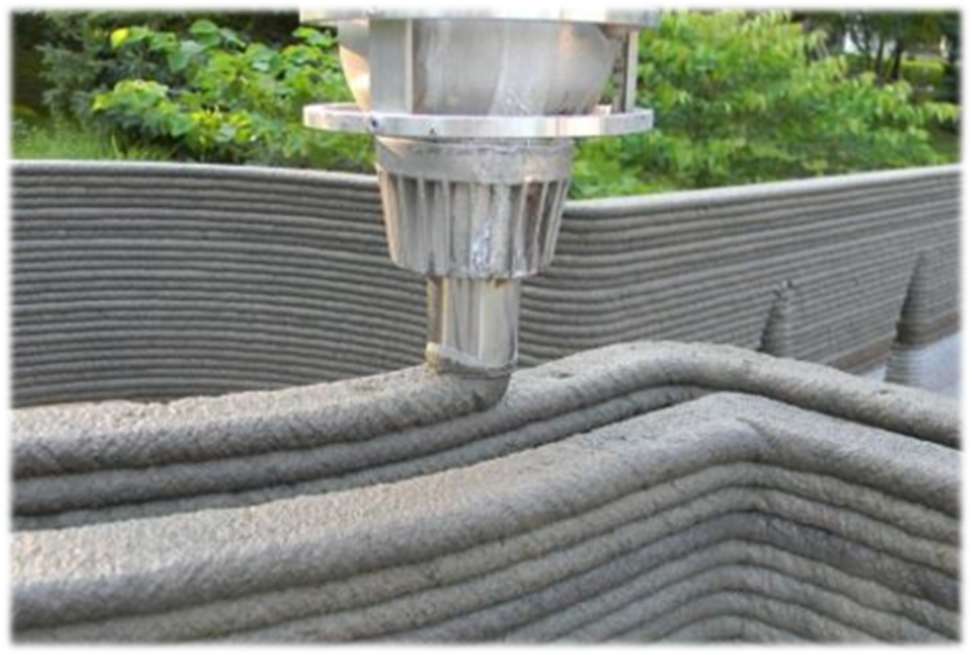
Secondly – it allows designs to evolve faster than the Code; each new printing of the Code occurs on a five-year cycle – and often, changes, or adoptions of new items within the code can take *multiple* editions to occur. Think about how many new versions of your favorite smart phone brand have been released in the same time – 5? 10? Variant model types for different uses and power? That’s progress in a large way by comparison. With the Performance Path, designers are able to take advantage of new materials, and new construction practices – long before the Code has a chance to catch up to them – allowing innovation *now* instead of waiting for published improvements.

That doesn’t mean that there aren’t some downsides to the Performance Path too. Remember, we’re talking about taking an established rule, and having an alternative way to meet that rule proposed – that’s certainly no simple task! Imagine baking our cake and being told that we could just as well use cheese in place of the butter, milk, and other ingredients – we’d likely be pretty skeptical that it would work – unless we had some very convincing data to help justify it.
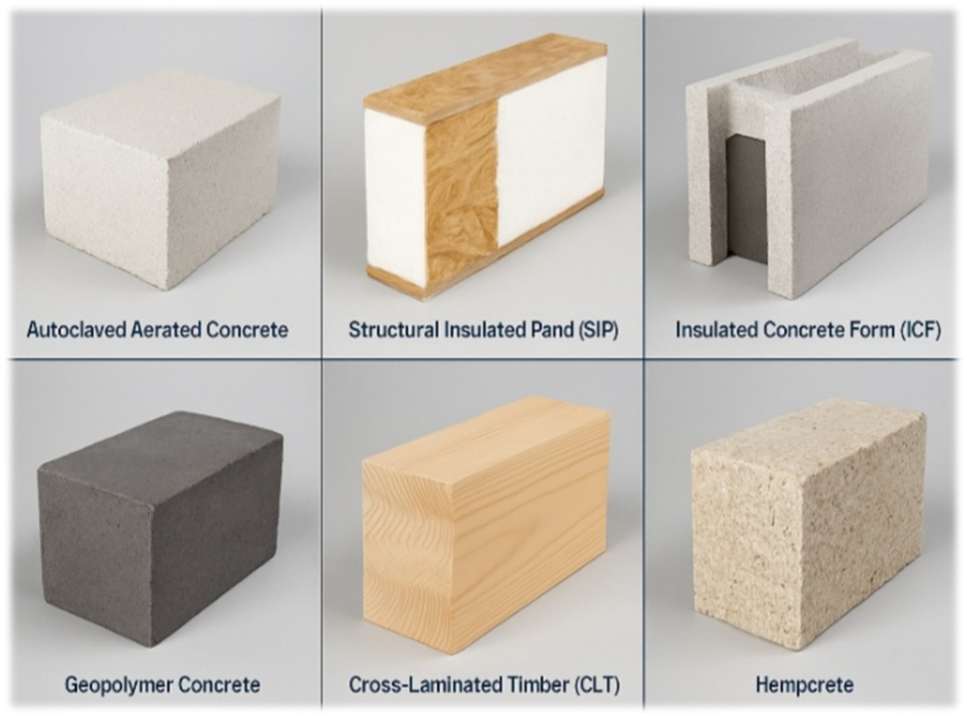
That could mean anything from independent testing, research from a notable or reputable source, examples from other jurisdictions – even other countries and their own model codes – as to how compliance can be met. It can be new materials (as we’ve already talked about) that show how a requirement the Code provides are met through its own performance and characteristics.
Truthfully, as with which building is the correct choice to be built, there is no straightforward or single way to compliance through this route (if there were a direct path, we’d still be in the prescriptive, right?) So, it’s up to each designer to explain exactly what, and how, they’re trying to meet that end goal. This requires a lot of information; what is the rule that’s being changed? How does that rule function? How will the alternative address that function? What testing, research, or study quantifies it? And how do you even begin to evaluate it for compliance? Balancing all this information, and being able to assess it? It can be a very difficult task – and unfortunately, the Code does not give us much help in the way of who, or how, to proceed – only that the solution provided needs to meet, or exceed, what the prescriptive solution achieves.
So, if you’re considering review of a Performance-based solution – ask yourself if the proposal is sound, if the source of the information carries enough competence and qualifications (as seem reasonable for the proposal), and if all the requirements that the solution as written would provide, are sufficiently met by the newly proposed solution as part of the design.