
2.4 – What’s For Dinner? The Code as a Grocery Store
The Code as a Grocery Store Another way to look the function, and purpose of the Code – is to compare it to something typical – something we likely all have experience with. Imagine you’re deciding to make dinner tonight – and you’ve weighed the options of what you’d like to cook, and settled on something relatively versatile – let’s say, making pizza. You check your cupboards, and decide you don’t have what you need to make it – so what do you do? No – you don’t open your phone to get something delivered – You head to the grocery store.
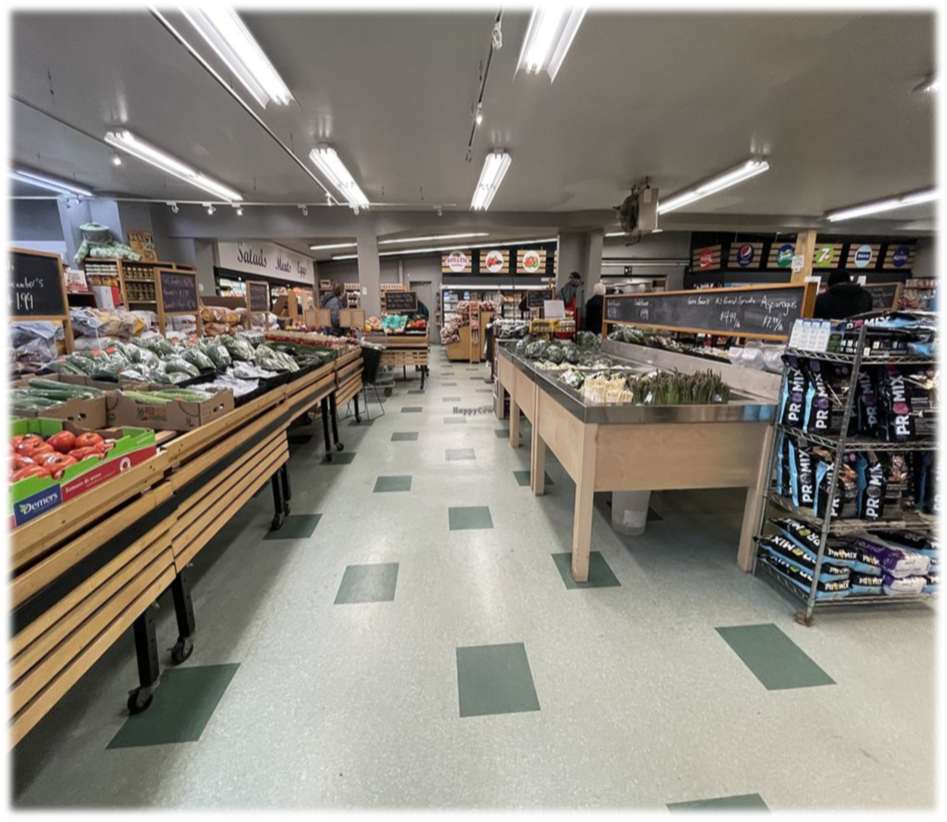
Now, the grocery store is filled with food – and more than that, it’s filled with all the ingredients you need, or could need, for you to make your pizza. But the grocery store doesn’t tell you how you need to make your pizza – you could decide to buy dough, make your own, use flatbread, or English muffins – maybe you want vegan or gluten-free as your base. It doesn’t decide if you want tomato sauce, white sauce or pesto – and it certainly doesn’t choose your toppings… so then, why is the grocery store helpful to you?
Well – aside from providing you with all the options you can use – it also regulates the quality of the goods you’re using. You know when you pick up peppers for your pizza – they can be assumed reasonably fresh. You know that the cheese needed to be produced in such a way that it’s safe to consume. You know that the volume of a can of sauce is enough to cover your whole crust. You know that – while maybe it won’t be everyone’s preference, the pineapple you put on top will be ripe and ready to use.
The Code does this for us, similarly, by giving us standards that materials need to meet – minimum qualitative requirements – for everything from fire sealants to floorboards, to the screws in the drywall. We know that the wood we pick up from the hardware store has been tested and graded, so that we can use it in whatever situation the Code would allow us to – and expect it to work the same way. We know that cans of paint will bond to the walls or ceilings, and dry with finishes that we expect. We know that the replacement plugs, switches, dimmers, or other simple electrical components, will be able to be swapped in for the existing ones without complex re-wiring. This means that, regardless of what we’re trying to do – the Code has guidelines to help, and more importantly, regulate the tools and materials that we’re using to do whatever project or task we’re undertaking.
“Now Greg” – you might say – “Isn’t the Code more like a recipe? I mean, the recipe tells us how long we should cook our pizza for, how to balance the yeast and sugar and flour right?” But that’s just one recipe – and there are dozens upon dozens of different ways in which you might make the dough – even right down to the flour you use – if you even use dough at all! You might pick any other base mentioned above! And that’s just it – when you go to the grocery store – it doesn’t tell you what you should be cooking tonight. Maybe you change your mind, and make hamburgers, or tacos, or even pancakes!
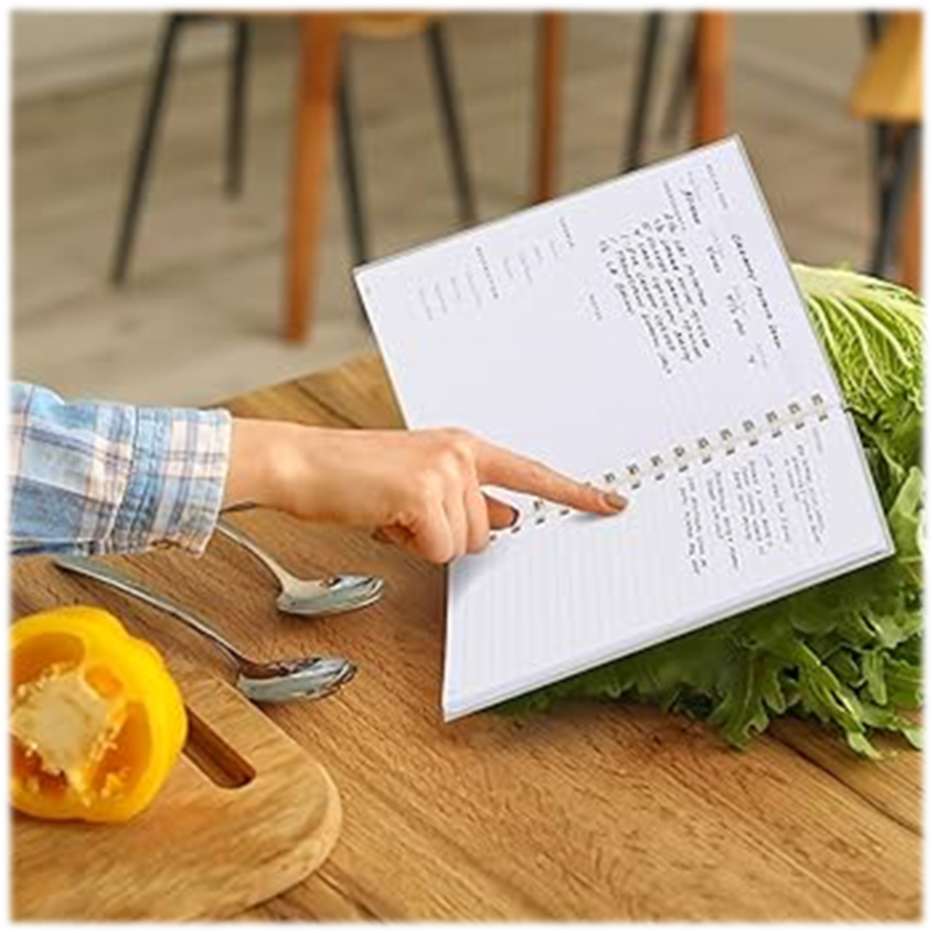
The recipe is what you decide to make – much like a set of drawings or plans, reflect the building that someone plans to build – the Code hasn’t told them to make a house, or a hospital, or a hair salon – but if that’s the building that someone chooses to build – the Code provides them with guidance on how to put those pieces together, in order to build something that is safe, sound, and accessible. Maybe the hospital also has a restaurant (for the patients and families), or maybe the house is above a business office. Maybe the hair salon is in a mall, or even part of a commercial plaza. Every case is different, and every case comes with a recipe meeting those needs.
Since no two buildings necessarily are the same (with the exception of some repeat or cookie-cutter building in subdivisions, or some stock housing plans), a recipe to govern every potential type of building would be… enormous! That’s a cookbook so large you couldn’t fit it in your house, let alone support it on your desk! So instead of directing designers on which recipe to pick – or really what kind of building to build – our grocery store simply provides guidance on how to cook the food you’ve chosen, and provides safe ingredients – or, in the case of our Code, provisions for what materials to use, how to assemble them, and what steps to make sure are met in building any building.

Again – our Code doesn’t tell us how to build the building that’s been chosen – only that it provides direction on how to put things together, based on the choices made. If you are using lumber – how it needs to be attached, what spans will support what loads, and what acceptable cuts or notches it’s allowed to have. If you’re using masonry – how the joints should be tooled, how it should be supported, and how thick it needs to be if it’s going to support anything other than itself. The same applies for steel, for glass, for plastics and ceramics – whether we’re talking about the structure of the building itself, right down to the finishes; the Code is only concerned with the *how* – not the preference of why it might be chosen by the designer. Understanding this difference is important, as it helps frame out the scope, and expectations, of the Official’s review.