1.8 – Hands-On Experience! Mentorship and Site Inspections
Mentorship and Site Inspections Now, it takes a lot more than just being able to sit through a dozen courses, and read some passages in the Code, to do the job of a Building Official. I mean, if it were that easy – anyone would probably do it, right? For many of us – doing, more than reading, or hearing, is a critical part of how we learn; as the saying goes – practice makes perfect, so practice is a big part of the Building Officials training.
We’ve talked about different levels of qualification for the Building Official – Interns, Residential, Levels 1 and 2; at each stage of the Official’s training, the NSBOA looks to make sure that a considerable amount of on-site training – under the guidance of senior and more experienced Building Officials, is provided, before allowing potential Officials to advance further. And this makes sense; if you were trying to become not only good at, but confident at a new skill – doing it by yourself, rather than having someone who was already very skilled, would be much more of a struggle!
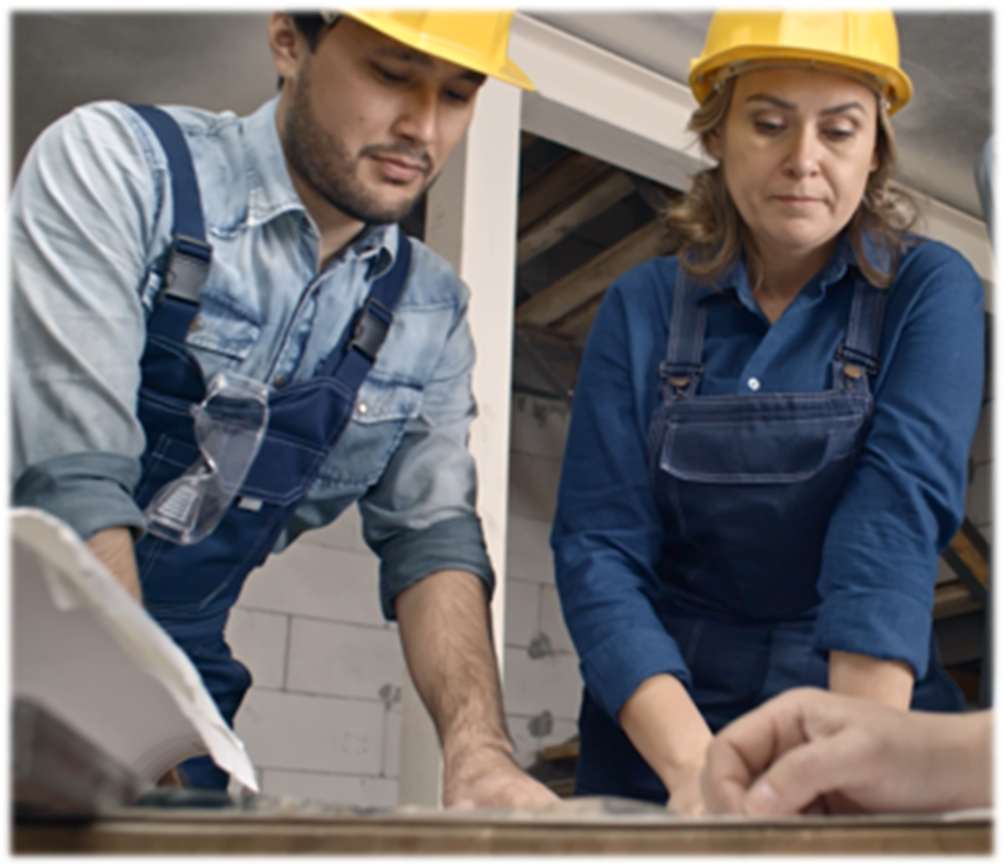
For each stage, this accounts for a minimum of 120 inspections – which, at three stages – means no less than 360 site inspections with supervision, as part of their educational development. It’s certainly worthwhile for Officials to get more than this; however, that isn’t always easy depending on the area that you’re working in (and the availability projects – or project types you might have access to) so, 120 is a very reasonable starting point for the average Official in training.
However, the number of inspections itself isn’t the most important part; variety, and inspection type also play a large role in helping to train a well-rounded Official. If you worked as a baker – making the same loaf of bread every single day – you’d no doubt become very good, at least at making that one type of bread. Same recipe, same pan, same ingredients, and same steps – day in, day out. Maybe a little boring, but, practice-practice, right?
But suppose then, you’re asked to try your hand at something different – maybe a cake, or pastry, of some complicated French Pain au chocolat; well, sure – you’re a baker, so some of the knowledge and skill is transferable (you’d know how to measure ingredients, maybe when to add the eggs and flour) – but you’d probably struggle a bit and wouldn’t have the same degree of success – or confidence – as someone who regularly practices with different recipes.

The same rationale applies to building inspections – making sure that Officials are exposed to a wide range of inspection – and building types during their training, ensures a broader, and better understanding of enforcing the Code. Since we know that buildings come in all different shapes, sizes, and uses – being able to do inspections on many different types of them (at very different stages) means that we get to apply those skills to all different steps along the process from a set of plans, to ready to occupy!
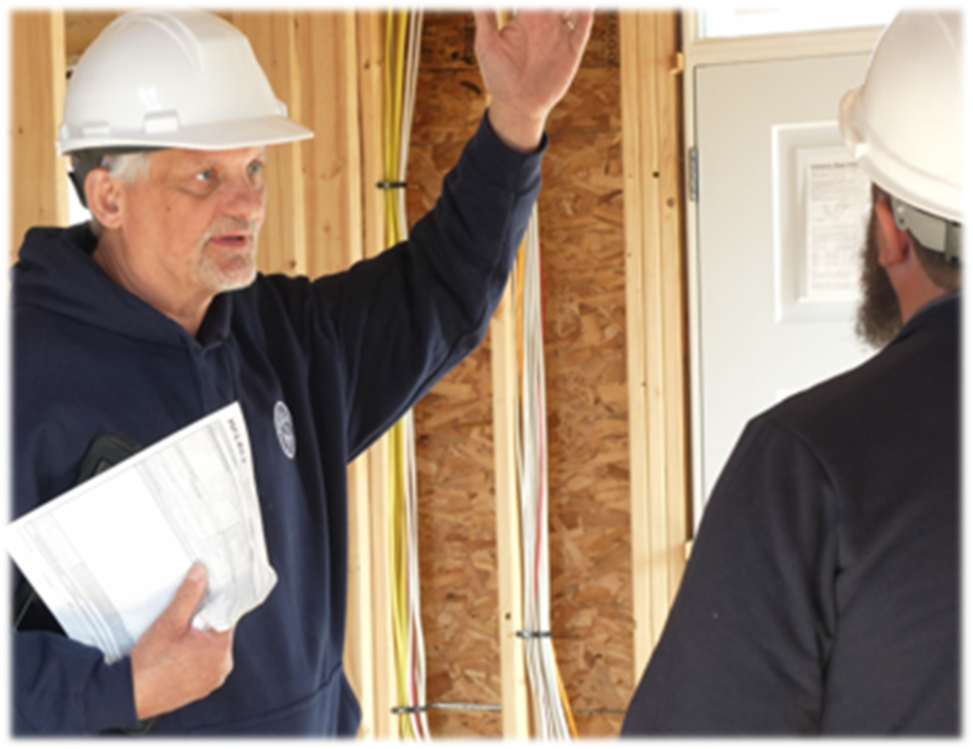
Inspection types can include Footings – or lowest part of a structure supporting any weight from the building, or deck, to Foundations, which form the walls of basements or crawlspaces; these are the starting points from where our buildings are, well, built – so it’s important that Officials are able to understand what goes into these structures.
Plumbing below the slab (Underground Plumbing) – or, drainage from fixtures like toilets, showers, and sinks that are found below the basement floor; because these elements won’t be able to be seen once a basement floor (usually a concrete slab) is in place – making sure that things have been completed correctly is very important for future plumbing in the building! Framing – or the structure of interior and exterior walls above ground, as well as beams, stairs, roof and attic spaces; these are important, especially in modern homes that can include a number of pre-designed (or pre-engineered) elements, like trusses and floor systems! Rough-In Plumbing in walls, or the drainage and venting from plumbing above ground and on all storeys in the building; making sure that our water supply gets to where it needs to – and, that it’s able to make its way through our building without issue, is a pretty important detail! Prior to Drywall, which looks at insulation and sealing of exterior walls, and all materials – including electrical, heating, and ventilation systems in a building before they’re covered up; it’s pretty important that the Official get one last look at things behind the drywall, before the finishes get added – beyond that, fixing mistakes becomes a pretty messy job! And at last, Final inspections for the Building and Plumbing, which look at all of the features that get installed right before the building is ready to be occupied; this can include things like the heating system or air conditioning, ventilation systems, smoke detectors, the hot water tank, even appliances like the dishwasher and stove – which, while not covered by the Code itself – still have requirements that need to be met by the surfaces and other equipment they connect to! This helps ensure that not only does everything work – but – that it’s safe, before it’s ready to be occupied. With each type of inspection, different requirements of the Code have to be reviewed – so, ensuring that a would-be Official gets a chance to try their hand at a good number of each is crucial in providing well rounded training. After all, you can’t DeCode what you haven’t had practice with!